Gloucestershire, 1812
A girl of six stands on a bench in her father’s mill, a scrap of scarlet gripped in her fist, and watches a gloved man tell her father the account is due.
It’s our red, she says. He smiles. Not for much longer.
Thirty-one years later, Sarah Bucknall walks up a gangway at Gravesend with six children, a seventh almost due, and everything she owns in the hold. Ahead of her: a colony with no law that recognises a married woman, and a creek in a country nobody has mapped.
She raises a homestead out of bark and mud and holds it through drought, fire and the gold rush. Then she takes in a frightened girl who arrived on a passage she never paid for — and who has spent her life running from the man who holds the paper.
He is still coming. He is in no hurry. And a document a woman never signed is the most dangerous thing in this country.
Drawn from two hundred years of one family’s letters, Sarah of Rodborough is the story of the woman the record left out — and of the daughter who was never written down at all.
“A fascinating insight into the lives of early settlers — their resilience and grit — and the disenfranchisement of women. A valuable work that would enhance any public library collection.” Anna Cook, former Manager, East Gippsland Shire Library
Be the first to know
Leave your email and I’ll write to you once — when Sarah of Rodborough is published.
The colony wrote her name plainly in 1843 — Sarah, thirty-six. The memorial that stands today records only “his wife.” This is her story.
One ship, two families
Edward Bucknall was a townsman taking his family to land he did not yet know how to work — so he brought the knowledge with him. Samuel Martin was hired to teach Edward and his sons to farm, and sailed on the Lord Keane with his wife, Harriett. Two households, side by side in the cabin.
Generations on, the author descends from both of them — Sarah on one line, Harriett on the other. Two great-great-grandmothers, aboard the same ship in 1843.
Two households on one immigration list — the farmer's family, and the man hired to teach them the land. A lifetime later, both are the author's own.
The author
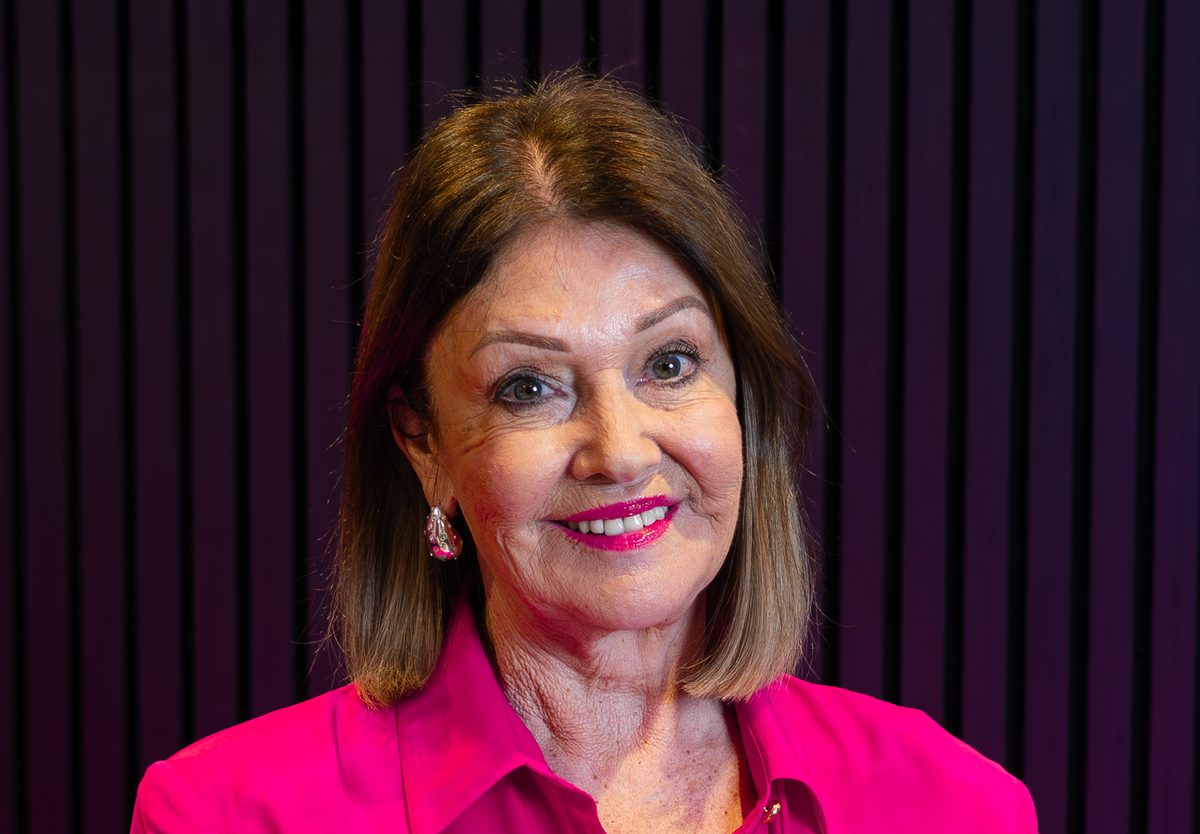
Di Williams is the founder of Fernwood Fitness, the national network of women's health clubs she began with a single gym in Bendigo in 1989 and built into the largest of its kind in Australia. She remains its Chair.
She has written three books on women's leadership, health and strength: Women Fit to Lead, The Women's Club and Smart Women Lift Weights. Her business awards include Telstra Australian Business Woman of the Year, International Business Woman of the Year, and an international lifetime achievement award presented in Singapore.
Sarah of Rodborough is her first novel. It began when she was shown a bundle of family letters and found, among them, a woman who had crossed the world at thirty-six, raised eight children on the Victorian frontier, and been recorded on the family memorial only as “his wife Sara and six children” — misspelled, without her surname, and without her dates. Sarah Tucker Bucknall is her great-great-grandmother. So, as it turned out, is another woman who sailed on the same ship.
The letters this novel is drawn from — around three hundred and fifty of them — are held at the State Library of Victoria, where anyone may read them.
Di grew up in Bendigo, on Dja Dja Wurrung country, not far from the hill where Sarah is buried. She now lives in Melbourne.
News
The novel is in final editing. Publication details will be posted here.
Follow along: @dianawilliamsofficial